Pixels, Pachislot, and the Past: How Yakuza's Retro Obsession Called Gen Z's Nostalgia Fixation Years Early
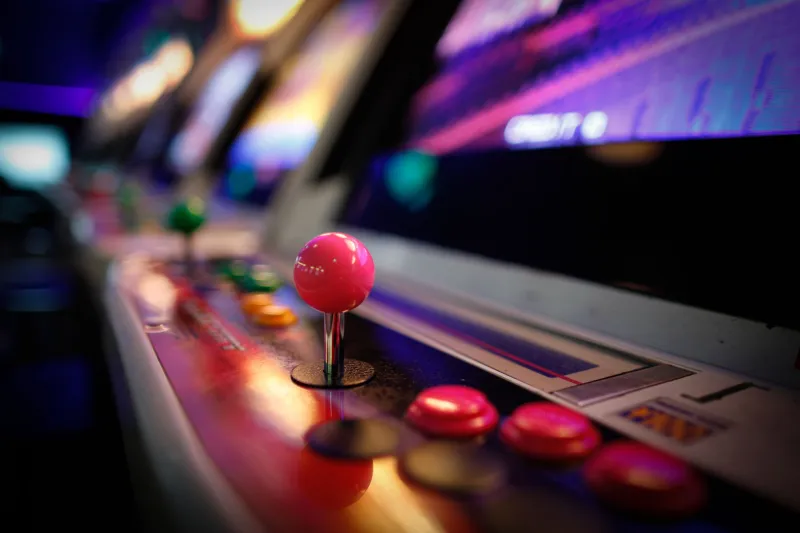
Somewhere in Yakuza 0, set in the bubble economy excess of 1988 Japan, you can walk into a SEGA arcade and play fully functional versions of Super Hang-On and Out Run. Not emulated approximations. Not in-jokes. Full, playable, completely faithful recreations of those arcade experiences, sitting inside a game set thirty-plus years before the game was released.
At the time, most gaming press treated this as a charming Easter egg — a bit of fan service for people who remembered pumping quarters into those machines. What it actually was is something more interesting: a design philosophy that understood, before the broader culture caught up, that obsolete media isn't dead. It's preserved. And preservation is an act of love.
Gen Z figured this out around 2020. Yakuza figured it out in 2015.
The Arcade as Time Capsule
The Japanese arcade culture of the 1980s and early 90s was a specific, unrepeatable thing. The sounds, the crowds, the particular energy of a room full of machines competing for attention with flashing lights and synthesized music — it existed in a specific window of time and then largely dissolved. The arcades didn't disappear everywhere, but the cultural centrality they held in that era never came back.
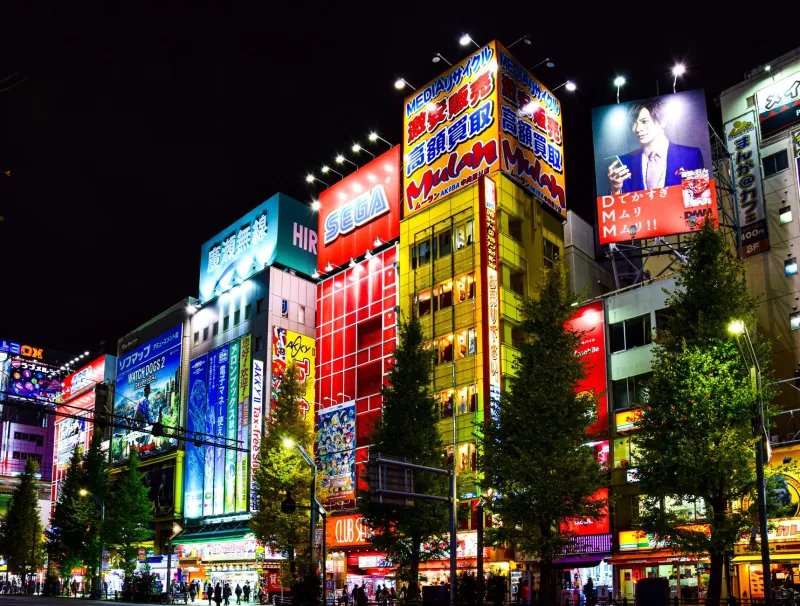
Yakuza games don't just reference this era. They inhabit it. The arcades in the series are staffed, lit, and populated with the specificity of someone who actually spent time in those spaces. The machines are real machines. The experience of walking into Club SEGA in Kamurocho carries a sensory weight that you don't get from a history textbook or a YouTube documentary.
This is crucial: the games aren't presenting retro culture as a museum exhibit. They're presenting it as a living environment that the protagonist moves through without any meta-commentary about how old everything is. Kiryu doesn't wink at the camera and say "remember this?" He just plays Virtua Fighter because it's there and he wants to.
That absence of irony is everything.
Dead Media and the TikTok Archaeology Movement
If you've spent any time on TikTok in the last three or four years, you've watched Gen Z develop what can only be described as an archaeological relationship with media formats they never personally experienced. VHS aesthetics. Disposable camera filters. Cassette tape "lo-fi" audio. CD players worn as accessories. Typewriters used unironically for journaling.
This isn't the nostalgic looking-backward of older generations who actually lived through those eras. It's something different — a hunger for the texture of obsolete technology, for formats that have physical presence and visible limitations, for media that leaves evidence of its own existence rather than dissolving cleanly into the cloud.
The academic term for this is "media archaeology," but on TikTok it just looks like a teenager filming themselves rewinding a VHS tape with genuine reverence while a song from 2023 plays in the background.
Yakuza was doing this. Just in video game form. Just much earlier.
Pachislot, Mahjong, and the Dignity of Obsolescence
The minigame ecosystems in Yakuza games extend well beyond the SEGA arcade. Mahjong, shogi, hanafuda, batting cages, karaoke — and yes, extensive pachislot and pachinko implementations that are more detailed than most dedicated gambling games. These aren't throwaway distractions. They're presented with the same production care as the main story content.
What's interesting is how the games handle the gap between "things that are still culturally relevant in Japan" and "things that feel genuinely dated." Pachislot machines, for example, have a specific visual and audio language — flashing reels, specific sound effects, the rhythm of near-misses — that belongs to a particular era of Japanese entertainment culture. The games don't update this aesthetic or modernize it for younger players. They preserve it faithfully, which means playing pachislot in Yakuza 5 feels like using a time machine as much as it feels like playing a minigame.
For American players encountering this stuff for the first time, there's a disorientation that quickly tips into fascination. This is different obsolescence — not the VHS tapes and Atari cartridges of American cultural memory, but a parallel timeline of retro that we never personally inhabited. That foreignness makes the reverence feel even more intense.
Rejecting the Hyper-Modern
There's a broader cultural argument happening right now in the US, mostly among younger people, about the relationship between digital convenience and human experience. The backlash against smartphones at concerts. The return of physical media — vinyl sales have been climbing for over a decade, and Blu-ray collections are having a moment among people who grew up as streaming natives. The obsession with "third places" and analog social environments.
All of this points to a genuine discomfort with a world that has optimized away most of its friction. When everything is instant, frictionless, and available on demand, the experience of waiting for something — of a record side ending, of a tape rewinding, of a machine that can break and requires physical maintenance — becomes its own kind of luxury.
Yakuza games are full of friction. The combat is messy. The navigation requires actual map-reading. The minigames have real learning curves and don't hold your hand. And the retro entertainment within the games — the arcades, the cassette music, the analog gambling machines — is presented without apology for being complicated and time-consuming.
This is the opposite of the design philosophy that dominates most modern games, which are engineered to remove every possible obstacle between player intent and reward. Yakuza keeps the obstacles. And increasingly, players are identifying those obstacles as features.
What Kamurocho Gets That Silicon Valley Doesn't
The technology industry has spent thirty years telling us that newer is better, that friction is the enemy of good design, that the ideal interface is invisible. The cultural pendulum is swinging back. People want to feel their media. They want things that have weight and wear and history.
Kamurocho, as a designed space, embodies this counterargument. It's a city that has been built up and layered over decades of in-game history, full of establishments that have existed for years before you arrived and will exist after you leave. The entertainment on offer is old. The technology is dated. And none of that is framed as a problem to be solved.
When a Gen Z kid in Ohio films themselves playing a vintage arcade cabinet and posts it with sincere enthusiasm rather than ironic detachment, they're participating in the same cultural instinct that Yakuza's designers encoded into Club SEGA. The object is old. The experience is real. The realness is the whole point.
Yakuza didn't predict TikTok's nostalgia economy by accident. It was made by people who understood, on some intuitive level, that the past isn't something you escape from. It's something you can live inside — and that living inside it, even briefly, even virtually, answers a hunger that the present consistently fails to feed.